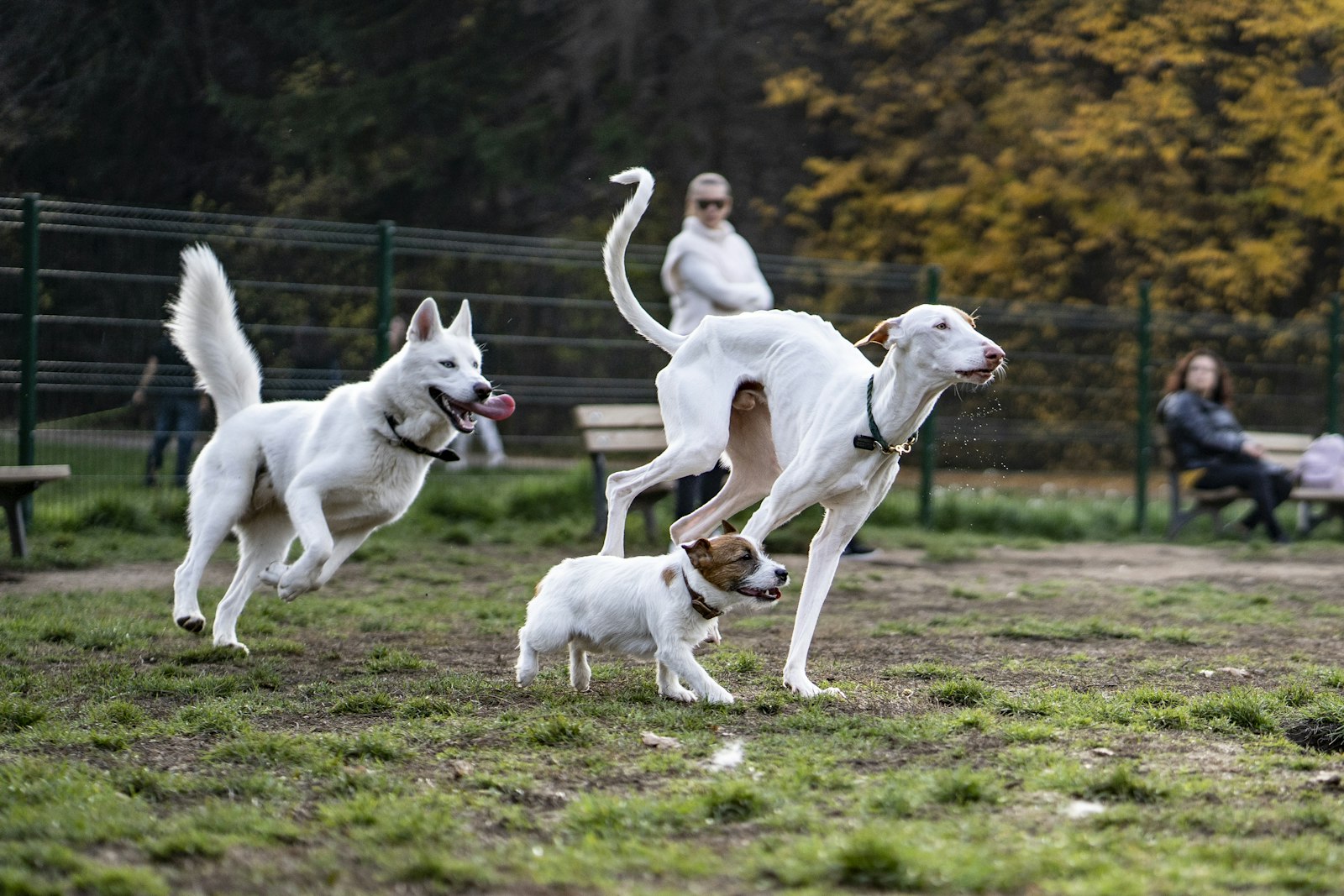
Dog Daycare Training Add-Ons in Fremont: What to Expect, and What Not to Expect
Training add-ons at dog daycare can be genuinely useful. If your dog is already spending part of the day at daycare, it makes sense to wonder whether a little extra leash work, manners practice, or one-on-one training time could help.
For busy Fremont families, that convenience is real. But it helps to go in with the right expectations.
A daycare training add-on is usually best viewed as targeted support, not a full behavior plan. It can help build skills, give your dog productive repetition, and make good use of the daycare day. What it usually cannot do is solve bigger behavior problems on its own or replace owner follow-through at home.
If you treat these add-ons as one piece of the puzzle, they can be worthwhile. If you expect them to create a total behavior turnaround in a few short sessions, you will probably be disappointed.
What daycare training add-ons are usually good for
Most daycare training add-ons are short sessions built into the dog’s regular day. They often focus on practical, manageable skills such as basic cues, impulse control, polite handling, simple leash work, or calmer behavior during transitions.
That setup can work well for a few reasons. First, the dog gets repetition. Second, the practice happens in a real environment with distractions, movement, and changing activity levels. For some dogs, that helps them learn to pay attention, settle more smoothly, or respond to familiar cues with people other than their owner.
Skills that often fit well into daycare add-ons include:
- sit, down, and brief wait cues
- name response and hand targeting
- door and gate manners
- short loose-leash walking practice
- settling on a mat or platform
- handling tolerance for collars, paws, or grooming prep
Some dogs also do well with short confidence-building exercises, enrichment-based tasks, or calm pattern work that helps them shift out of a high-arousal state. These are all realistic uses of limited training time because they are concrete, measurable, and easier to reinforce later.
What these add-ons usually cannot do well
Where owners can get misled is assuming a short daycare add-on can do the work of a full training program.
If a dog has fear-based reactivity, separation-related distress, resource guarding, major leash frustration, handling sensitivity, or repeated conflict with other dogs, that usually calls for a more complete plan. Those issues often need careful assessment, slower progression, and owner involvement from the start.
Even milder issues may not transfer as well as people hope. A dog that sits nicely for a daycare handler before going through a gate has not necessarily learned to walk calmly with you through your neighborhood or stay composed when guests come over.
That does not make the daycare work useless. It just means the result may be narrower than it sounds in a sales pitch.
A good rule of thumb is this: daycare add-ons can help build pieces of behavior, but they rarely create the full picture by themselves.
Why daycare training is different from full behavior training
Dog daycare and dog training overlap, but they are not the same service.
A daycare environment is built around care, supervision, play management, rest, and moving multiple dogs through the day safely. Even in a well-run program, it is still a busy setting. There is noise, motion, excitement, and a lot going on at once.
That can be useful for some types of practice. It is not ideal for every goal.
Full behavior training is usually more individualized. It starts with figuring out what the behavior actually is, why it is happening, what triggers it, what the dog can handle, and how progress should be measured. It also involves coaching the owner, because much of the real-life change happens outside the session.
If your dog needs help polishing a sit-stay, improving greetings, or responding more reliably to basic cues, a daycare add-on may be a solid fit. If your dog is panicking when left alone, falling apart on leash, or getting overwhelmed around other dogs, you likely need more than an add-on.
Which skills tend to transfer best to home
Not every skill learned at daycare carries over equally well at home.
The skills that usually transfer best are simple, repeatable, and easy for owners to continue in everyday life. Name recognition, hand targeting, brief waits at doors, mat settling, and basic impulse-control exercises often move over reasonably well, especially when the daycare shows owners exactly how the exercise is being done.
Loose-leash walking can transfer too, but only if the method is something the owner can realistically repeat. The same goes for calm handling work. If the approach is gentle, consistent, and easy to practice, the odds of carryover improve.
What tends to transfer poorly are behaviors tied to one narrow setting or behaviors that depend on a lot of timing and context. That includes many group-play social skills, more advanced leash behavior in harder real-world situations, and emotional behavior-change work where the owner’s routine matters a great deal.
That is why follow-through matters so much. Daycare can create useful reps. Owners still need to help the dog use those skills in daily life.
Questions to ask before paying for a training add-on
A training add-on is only as good as the people doing it and the methods behind it. Owners should feel comfortable asking direct, practical questions before signing up.
- Who is actually doing the training?
- What education or hands-on experience do they have?
- What methods are used, and can they explain them clearly?
- How is progress tracked?
- What will you be expected to practice at home?
- Will they tell you honestly if your dog is not a good fit for that kind of session?
The answers matter. You want clear, behavior-aware language about reinforcement, management, timing, repetition, and keeping dogs in a workable learning state. Be cautious if the explanation is vague, overly salesy, or focused on quick obedience results without any real discussion of stress, arousal, or individual fit.
A trustworthy daycare should also be willing to say when an add-on is not enough, or when a dog is too tired, too overstimulated, or simply not in the right frame of mind for that training to be useful.
That kind of honesty is a good sign.
Why the daycare schedule itself matters
The quality of a training add-on depends a lot on the dog’s state that day.
A dog who has already spent hours in group play may be tired, overstimulated, or mentally tapped out by the time a session starts. Some dogs can still learn in that condition. Others cannot focus well enough for the work to stick.
That does not mean daycare training is a bad idea. It means timing, rest, and structure matter more than many owners realize.
In some programs, a short one-on-one session before heavy play, or during a calmer part of the day, may be far more productive than trying to teach after a dog has been racing around all morning.
If you are comparing dog daycare options in Fremont, ask where the training fits into the day. How long are the sessions? How is rest handled? Does the dog get individual attention? Or is the training being layered onto an already overstimulating schedule?
Those details can tell you whether the add-on is meaningful or mostly a marketing extra.
Why practice at home still matters
Even a well-run daycare training program will fade if the work stays at daycare.
Dogs do not automatically generalize a skill from one setting to every other setting. A dog may understand a cue with a staff member at the facility and still struggle to do the same thing with you at the front door, in the kitchen, near Central Park, or on a busy evening walk.
That is normal. It is not stubbornness, and it is not failure. It is just part of how learning works.
The real value of a daycare add-on often comes from giving the owner a head start. Maybe the dog has already learned the shape of the skill. Maybe the staff can show you what is working. Maybe you now have a simple routine you can reinforce at home.
Without that home practice, many dogs end up with skills that look good in facility updates but do not change everyday life very much.
The best results usually come from partnership. Daycare staff build useful repetitions, the owner keeps practicing in real life, and both sides stay realistic about what short sessions can and cannot accomplish.
A balanced way to think about daycare training add-ons
Training add-ons at dog daycare can absolutely have value. For the right dog and the right goal, they can help polish basic manners, support impulse control, and add productive one-on-one work to the daycare day.
What they usually are not is a shortcut for deeper behavior problems. They should not be sold that way, and owners should be wary of programs that imply otherwise.
The healthiest expectation is to see these add-ons as support, not transformation. Ask what is being taught, who is teaching it, how your dog is responding, and what your role will be afterward.
If the answers are clear, grounded, and realistic, that is a good sign. The goal is not to squeeze miracles into a daycare schedule. The goal is to make thoughtful choices that help your dog learn skills you can actually use in everyday life.